Have you ever wondered why a DWI in Texas might result in different consequences than the same offense in California? The landscape of DWI penalties by state in the USA is complex. It can catch many drivers off guard.
Driving while intoxicated (DWI) is a serious legal challenge across the United States. Each state has its own way of dealing with alcohol-related driving offenses. This makes it hard for drivers who might not know the local rules.
Understanding DWI laws USA requires looking closely at how different places handle impaired driving. The penalties can vary a lot. Some states have much stricter rules than others.
Key Takeaways
- DWI penalties vary widely between different states
- Blood alcohol concentration (BAC) levels impact legal consequences
- First-time offenders face different challenges than repeat offenders
- Legal ramifications extend beyond immediate financial penalties
- State-specific nuances can dramatically affect DWI outcomes
Understanding DWI: Definition and Significance
Driving While Intoxicated (DWI) is a big deal in the US. Each state has its own rules for DWI, making it tricky for drivers. Knowing the laws helps keep everyone safe on the road.
What Constitutes a DWI?
A DWI happens when you drive with too much alcohol in your blood. The laws say you can’t drive if your blood alcohol level is over a certain limit. Here’s what counts as being too drunk to drive:
- BAC level of 0.08% or higher for most states
- Impairment by alcohol, drugs, or a combination
- Observable signs of inability to drive safely
Differences Between DWI and DUI
Some states use DWI and DUI, but they mean slightly different things. The legal interpretation can significantly impact possible penalties. Here’s what usually sets them apart:
- DWI often means you’re really drunk
- DUI might mean you’re drunk on something other than alcohol
- Each state has its own way of defining these terms
Knowing the difference can change how you’re treated by the law. It can also affect your insurance and your future driving record.
Overview of DWI Penalties Across the United States
Driving while drunk (DWI) has big legal problems. These problems change from state to state. Laws on DWI are made to stop bad driving and keep people safe.
It’s important to know what can happen if you get a DWI. How bad the penalties are depends on a few things. These include how drunk you were, if you’ve been in trouble before, and the laws of your state.
General Penalties to Expect
DWI fines vary from state to state. Here are some common penalties:
- Monetary fines ranging from $500 to $2,000
- Potential jail time
- License suspension or revocation
- Mandatory alcohol education programs
- Probation requirements
First Offense Penalties
First-time DWI offenders usually get less punishment. These punishments are meant to warn and stop people from driving drunk.
| Penalty Type | Typical First Offense Consequences |
|---|---|
| Fine Range | $500 – $1,000 |
| Jail Time | 24-72 hours |
| License Suspension | 90-180 days |
| Mandatory Program | Alcohol awareness course |
Repeat Offender Consequences
Getting caught DWI more than once means much harsher penalties. Repeat offenders face increasingly stringent legal ramifications that can really hurt your life and job.
- Longer license suspensions
- Extended jail sentences
- Higher monetary fines
- Mandatory ignition interlock devices
- Potential felony charges
Understanding DWI penalties needs knowing your state’s laws well. Each place has its own way of dealing with drunk driving.
State-Specific DWI Penalties: The Variances
Driving while intoxicated (DWI) laws change a lot from state to state. It’s important to know the DUI jail time and license suspension rules in each state. This helps drivers all over the country.
Every state has its own way of handling DWI penalties. This shows what each state values and how they see the law. Drivers need to know that penalties can be very different based on where they are.
Texas DWI Penalties
In Texas, DWI laws are very strict. A first-time offender might face:
- Fines up to $2,000
- Jail time between 3-180 days
- License suspension for up to one year
- Mandatory alcohol education programs
California DWI Consequences
California has tough DWI penalties to stop people from driving drunk again. First-time offenders usually get:
- Potential jail time of 48 hours to 6 months
- Fines ranging from $390 to $1,000
- 6-month license suspension
- Mandatory DUI treatment programs
New York DWI Regulations
New York has strict DWI laws with serious consequences. Key penalties include:
- Fines between $500-$1,000
- Potential license revocation
- Mandatory substance abuse assessment
- Possible ignition interlock device requirement
Florida DWI Laws
Florida’s DWI rules aim to stop drunk driving and punish offenders. First-offense penalties often are:
- Up to 6 months in jail
- Fines from $500-$1,000
- License suspension for up to one year
- Mandatory DUI school attendance
Understanding these laws is key. It helps drivers know what to expect and how to stay safe.
Factors Influencing DWI Penalties by State
Learning about DWI penalties is complex. It involves looking at many factors that change how laws are applied. State DUI charts show big differences in how DUI is handled in different places.
There are many important things that courts look at when deciding on punishments. These things make DWI penalties different from one place to another.
Blood Alcohol Concentration (BAC) Levels
BAC levels are very important in deciding DWI penalties. Most states have rules based on BAC levels:
- Standard legal limit: 0.08%
- Aggravated levels: 0.15% and above
- Enhanced penalties for extreme BAC readings
Presence of Minors in the Vehicle
Driving with kids in the car makes penalties worse. Many places see this as a very serious crime. This can lead to:
- Increased fines
- Mandatory child endangerment charges
- Potential felony classification
Prior Offenses
People who have been caught driving under the influence before face harsher penalties. State DUI charts show that more offenses mean bigger penalties. This includes:
- Longer license suspension periods
- Mandatory jail time
- Substantial financial penalties
- Potential permanent license revocation
Knowing these details helps people understand the dangers of driving while impaired. It shows why it’s so important to drive safely.
Common Enforcement Practices by State
Law enforcement in the U.S. uses smart ways to fight drunk driving. DUI laws change from state to state. But, they all aim to stop drunk driving and keep people safe.
States use many ways to catch and punish drunk drivers. They use technology, planning, and laws to fight drunk driving.
Sobriety Checkpoints: A Proactive Approach
Sobriety checkpoints are a big help in fighting DUI. These roadblocks let police:
- Check drivers for signs of being drunk
- Stop people from driving drunk
- Learn about drunk driving patterns
- Make people know the dangers of drunk driving
Breathalyzers: Measuring Impairment
Breathalyzers are key in finding out if someone is drunk. Police use them at stops to:
- Show if someone might be drunk
- Help in court cases against drunk drivers
- Know how much alcohol someone has had
Breathalyzer rules vary by state. But, they are a main tool in DUI fights. Some states have laws that mean not taking a breath test can lead to losing your license.
Knowing about these methods helps drivers see the dangers of drunk driving. It also shows how much states do to keep everyone safe.
Additional Consequences Beyond Fines
Driving drunk (DWI) has big penalties that go beyond money fines. The USA DWI system has many punishments to stop people from driving drunk again. It’s all about keeping everyone safe.
Getting caught driving drunk can really change your life. It’s not just about the court. It can affect your job and personal life a lot.
License Suspension Policies
License suspension is a big part of DWI penalties in the US. How long and what it includes changes by state. But usually, it means:
- First-time offenders may face suspensions from 30 days to 1 year
- Repeat offenders can experience suspensions lasting 2-3 years
- Some states offer restricted licenses for work or essential travel
Mandatory Education Programs
Many states make you take special classes as part of DWI punishment. These classes help you understand why driving drunk is bad. They try to stop you from doing it again.
| Program Type | Duration | Primary Focus |
|---|---|---|
| Alcohol Awareness | 12-36 hours | Understanding risks of impaired driving |
| Substance Abuse Counseling | 8-24 weeks | Addressing possible addiction issues |
| Defensive Driving Course | 4-8 hours | Improving driver safety skills |
Courts often make you take these classes as a key part of getting better and not driving drunk again. This shows how DWI punishment goes beyond just fines. It’s about changing your behavior for the long term.
Navigating the Legal System After a DWI Charge
Facing a DWI charge can feel very overwhelming. It’s a complex journey with many stages. It’s important to know the DWI state guide and possible legal outcomes well.
Critical Steps in Legal Representation
Finding the right lawyer is key when you face a DWI charge. A DWI lawyer can greatly help your case. They do this by:
- Looking at evidence carefully
- Finding possible mistakes in the process
- Talking about plea deals
- Keeping your rights safe
Understanding Local Legal Landscapes
Every state has its own challenges in DUI sentencing. Knowing local laws can change your penalties a lot.
| State Variation Factor | Potential Impact |
|---|---|
| Blood Alcohol Concentration Limits | Determines immediate legal consequences |
| Prior Offense History | Influences sentencing severity |
| Local Court Procedures | Affects case management strategies |
Getting ready for your case means comprehensive documentation. You also need to know your rights. Work closely with an attorney who knows DWI laws well.
Comparing DWI Laws: A National Perspective
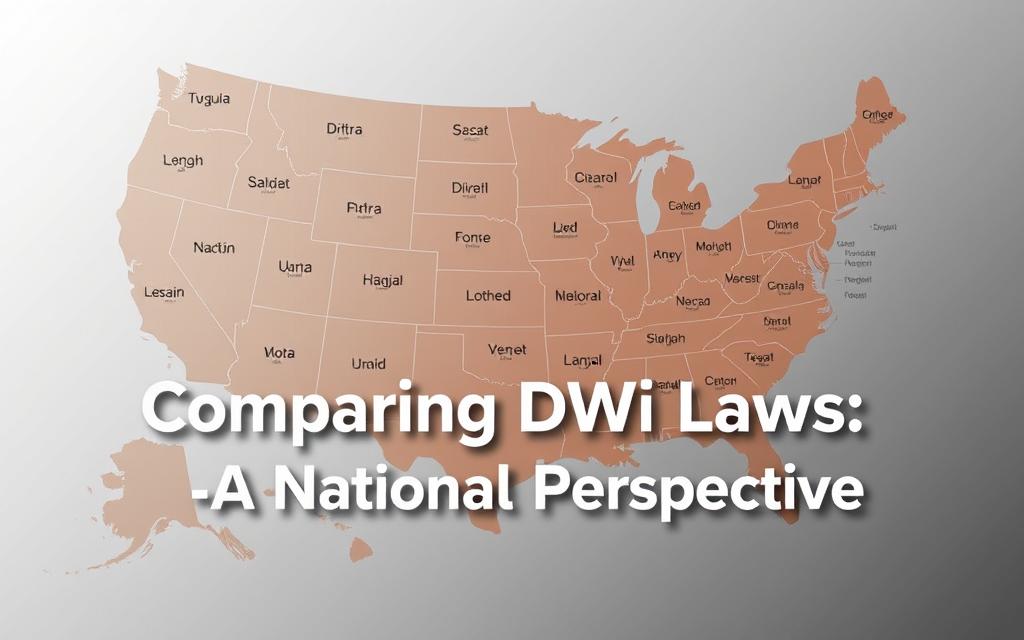
Exploring DWI laws in the USA is like looking at a big puzzle. Each state has its own way of dealing with drunk driving. This makes the rules and punishments different everywhere.
Looking at DWI laws across the country shows big differences. State DUI charts show how each state handles drunk driving. Some states are stricter, while others are more lenient.
Trends in DWI Legislation
Recently, DWI laws have been changing a lot. Some big changes include:
- Lowering legal blood alcohol concentration (BAC) limits
- Implementing mandatory ignition interlock devices
- Expanding use of electronic monitoring
- Increasing penalties for repeat offenders
States with the Harshest Penalties
Some states have very tough DWI laws. Arizona, Georgia, and Utah are known for their strict rules. These include:
- Extended license suspensions
- Mandatory jail time for first offenses
- Substantial financial penalties
- Mandatory alcohol education programs
States with More Lenient Approaches
On the other hand, states like Vermont and Mississippi focus more on helping people. They often choose treatment and education over harsh punishments, for first-time offenders at least.
Knowing about DWI laws across the country helps us see how complex the issue is. It shows how different states handle drunk driving.
Cost Implications of DWI Penalties
A DWI conviction can cost a lot of money. It’s not just the first fines you pay. The total cost can go up to tens of thousands of dollars. This can be a big financial problem for people who got caught driving drunk.
Fines and Legal Expenses
DWI fines vary by state. Here are some common costs:
- Court fines can be from $500 to $2,000
- Lawyer fees are between $2,500 and $5,000
- There are also court fees and other expenses
Increased Insurance Costs
Getting a DWI can also raise your insurance costs a lot. Insurance companies see DWI drivers as. This means your premiums will go up a lot.
Here are some insurance costs you might face:
- Insurance costs can go up by 300%
- You might need special high-risk insurance
- They might even cancel your policy
The financial effects of a DWI can last for years. It shows how important it is to drive safely.
Implementing Preventative Measures
Stopping drunk driving needs a big plan. States in the USA have come up with new ways to cut down on DWI cases. They want to keep everyone safe and teach people about being responsible.
Stopping drunk driving starts with teaching people before they make bad choices. The USA DWI overview shows how communities are fighting this big problem.
State-Sponsored Prevention Programs
States use many ways to stop drunk driving. They make programs for different groups:
- School-based alcohol awareness curriculum
- Youth intervention workshops
- High school and college outreach programs
- Workplace safety training
Community Outreach and Education
Local areas are key in stopping drunk driving. They use:
- Working with local police
- Hosting free community education seminars
- Supporting designated driver programs
- Creating public awareness campaigns
These efforts help by making people aware, teaching them to be responsible, and helping those with alcohol problems.
Effects of DWI Penalties on Employment
A DWI conviction can really hurt your job chances. It can stop you from getting jobs in many fields. The rules on DUI penalties vary by state, making it hard for people with criminal records to find work.
Having a DWI can affect your job search in big ways. Background checks often find out about DWI convictions. This makes it hard for people with these records to find jobs.
Background Checks and Job Opportunities
Employers often check your background. They might find out about your DWI. This can lead to:
- Not being able to get jobs that need driving
- Less chance of getting jobs that are very important
- Being passed over in job searches
- Having to tell employers about your criminal history
Professional Licensing Issues
Some jobs are very strict about DWI convictions. DUI penalties can affect your license in important fields:
- Jobs in commercial transportation
- Healthcare jobs
- Jobs in education
- Jobs in law and finance
Licensing boards might take away your license because of a DWI. Getting legal help and joining rehab programs can help you avoid these problems.
Resources for Individuals Facing DWI Charges

Dealing with a DWI charge is tough and can feel very stressful. But, there are many places to get help. A good DWI state guide can explain your situation and point you in the right direction.
Having a support network is very important. They help you deal with the legal and personal parts of a DWI charge. These groups offer advice and emotional support when you need it most.
Local Support Groups
Local support groups can be a big help. Here are some key places to look:
- Alcoholics Anonymous (AA) local chapters
- Court-mandated support programs
- Community counseling centers
- Local legal aid services
National Education Resources
National groups offer a lot of help through different ways. The DUI sentencing map can show you what might happen and where to get help in your state.
- National Highway Traffic Safety Administration (NHTSA) educational materials
- Online legal counseling services
- Substance abuse hotlines
- MADD (Mothers Against Drunk Driving) support programs
Getting help is a big step in dealing with DWI charges. Each resource has its own way of supporting you. They help you face legal issues and make positive changes in your life.
Trends in Reducing DWI Incidents
The way we deal with DWI laws in the USA has changed a lot. New ways to fight drunk driving are being tried. These focus on stopping it before it starts and making more people aware.
Public awareness campaigns have been key in cutting down DWI cases. States are working hard to change how people see drunk driving.
Successful Campaigns and Initiatives
- Targeted educational programs in schools and communities
- Social media awareness campaigns
- Collaboration with local law enforcement
Looking at the USA DWI overview, we see big steps forward in stopping drunk driving. New tech is helping a lot in this fight.
Technological Advances in DWI Prevention
| Technology | Impact | Adoption Rate |
|---|---|---|
| Ignition Interlock Devices | Prevents vehicle operation when driver is impaired | 65% increase in use |
| Smartphone BAC Tracking Apps | Estimates alcohol levels before driving | 40% of young adults use it |
| Advanced Vehicle Safety Systems | Detects impaired driving patterns | More in new cars |
New tech is helping us fight DWI in big ways. Smart solutions are changing how we stop drunk driving.
Looking Ahead: Future DWI Legislation
DWI penalties are changing as lawmakers try to cut down on drunk driving. They want to make laws stricter and more effective. This is happening all over the United States.
States are making big changes to fight DUI. Some want to lower the limit for drinking and driving. Others want to help people who have been caught driving drunk to get better. Recovery-focused initiatives are getting more attention.
Proposed Changes at the State Level
Lawmakers are looking at big changes. They want to use new technology to stop drunk driving. Things like special devices in cars and better tracking systems are being considered.
Potential Federal Regulations
There’s talk of making DWI laws the same everywhere. This could mean the same rules for drinking and driving in every state. It shows that people are serious about stopping drunk driving all over the country.