

Is a 24-hour delay the difference between a resolved claim and a legal nightmare? When collisions occur, timing matters more than many drivers realize. California law sets specific guidelines for reporting accidents, especially those involving injuries or significant property damage. While missing the 24-hour window doesn’t automatically disqualify your claim, it can create hurdles in proving fault or securing fair compensation.
State regulations require drivers to notify authorities within 24 hours if an accident results in injury, death, or property damage exceeding $1,000. For minor incidents, this timeframe may seem flexible, but delays risk weakening evidence and complicating insurance negotiations. According to Wilshire Law Firm, late reporting doesn’t erase your rights, but it forces you to work harder to validate your case.
Car, truck, and motorcycle accidents each carry unique challenges. Stress and confusion often follow crashes, leading some to postpone filing reports. However, gathering photos, witness statements, and medical records immediately strengthens your position. Even if hours or days pass, taking swift action improves your chances of recovering losses.
Key Takeaways
- California mandates accident reports within 24 hours for injuries, fatalities, or property damage over $1,000.
- Delays complicate insurance claims but don’t eliminate your right to seek compensation.
- Evidence like photos and witness accounts becomes harder to collect over time.
- Failing to file a DMV SR-1 form within 10 days risks fines or license suspension.
- Legal professionals can navigate late reporting challenges to protect your interests.
Understanding the Timeline and Legal Requirements
California’s accident reporting laws create clear pathways for resolving vehicular incidents. State law requires contacting law enforcement immediately for crashes involving injuries or property losses over $1,000. Drivers must also submit an SR-1 form to the DMV within 10 days, regardless of fault.
Reporting to Law Enforcement and the DMV
Local police departments or California Highway Patrol officers document collisions through official reports. These records become critical evidence for insurance claims and liability disputes. Always request a copy – insurers often require it before processing payments.
State-Specific Guidelines and Penalties
Failing to file required paperwork risks fines up to $1,000 and license suspension under Vehicle Code 20008. Exceptions exist for minor fender-benders under damage thresholds. However, delayed reporting weakens cases – witnesses forget details, and physical evidence deteriorates.
Legal professionals recommend erring on the side of caution. Even minor crashes can escalate if hidden injuries surface later. Timely documentation protects your rights while meeting statutory obligations.
what happens if you don’t report an accident within 24 hours
Timing shapes outcomes in accident cases, but myths about reporting deadlines often cloud critical decisions. Many drivers mistakenly believe insurance claims become invalid after 24 hours or that liability automatically shifts due to delays. These assumptions rarely align with legal practice.
Common Misconceptions and Legal Clarifications
Myth: Missing the 24-hour window voids compensation rights. Reality: Insurers cannot legally deny claims solely based on late reports, though delays may trigger scrutiny. For example, a driver who files three days post-collision still qualifies for property damage reviews if evidence supports their case.

Myth: Police determine fault during initial reports. Reality: Officers document facts, but insurers and courts ultimately assign liability. A delayed report forces greater reliance on photos, witness testimonies, and repair estimates to establish timelines.
How Late Reporting Influences Liability Determinations
Insurers often question injury severity when reports lag. A whiplash claim filed weeks after a crash may face skepticism unless medical records show consistent treatment. Similarly, delayed property damage documentation allows opposing parties to argue pre-existing issues.
Legal teams counter these challenges by:
- Securing timestamped traffic camera footage
- Collecting sworn affidavits from bystanders
- Linking medical diagnoses to collision forensics
Early attorney involvement helps preempt accusations of negligence. Courts recognize that shock or injuries sometimes delay reporting, provided plaintiffs demonstrate proactive evidence gathering.
Impact on Insurance Claims and Compensation
Delayed accident notifications create ripple effects across insurance processes. While state laws set minimum reporting windows, most policies impose stricter internal deadlines. Missing these targets allows insurers to challenge coverage eligibility.
Insurance Policy Deadlines and Reporting Clauses
Auto insurance contracts often require notification within 48-72 hours for injury claims. Property damage filings typically follow similar timelines. These clauses let insurers investigate while evidence remains fresh. Delays beyond 3-5 days may trigger disputes over:
- Vehicle damage causation
- Medical treatment necessity
- Witness credibility
Documenting Evidence for Successful Claims
Thorough documentation bridges gaps caused by late reports. Capture photos showing vehicle positions and road conditions immediately after collisions. Obtain contact information from bystanders – their accounts often hold more weight than delayed police narratives.
Medical journals proving injury treatment timelines strengthen compensation arguments. Insurance adjusters scrutinize gaps between crash dates and doctor visits. Consistent records showing prompt care reduce skepticism about injury severity.
Legal teams use accident reconstruction experts to validate delayed claims. These professionals analyze skid marks, vehicle damage patterns, and traffic camera footage to establish fault. Combined with witness affidavits, such evidence often overcomes reporting delays.
Consequences for Property Damage and Personal Injury Cases
Severe collisions often leave more than physical wreckage—they create legal complexities that demand precise action. When crashes involve property damage exceeding $1,000 or injuries, California law requires immediate documentation to protect all parties.
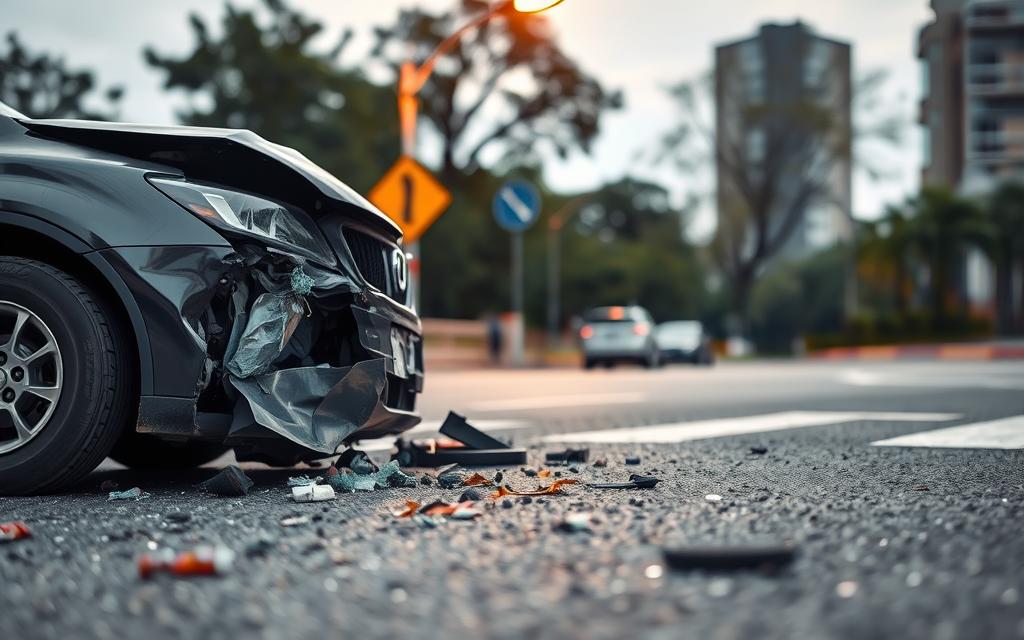
Implications for Accidents Exceeding Damage Thresholds
High-value damage cases introduce layered challenges. Insurance providers and courts scrutinize crash scenes thoroughly, requiring clear evidence to assign fault. For example, a multi-vehicle pileup with $15,000 in losses demands police reports to establish timelines and liability.
Filing an official report car accident becomes critical. Authorities use these records to:
- Verify insurance coverage details
- Analyze skid marks and vehicle positions
- Interview witnesses while memories remain fresh
| Scenario | Evidence Available | Typical Outcome |
|---|---|---|
| Exceeding Damage Threshold | Police report + photos | Faster claim approval |
| Minor Damage (Under $1,000) | Driver statements only | Extended negotiations |
| Hit-and-Run | Surveillance footage | Partial compensation |
Delayed reporting risks license suspension under VC 20008, especially when injuries surface later. A 2022 study showed 63% of drivers who skipped police reports faced claim denials for hidden structural damage.
Strong cases rely on scene details—weather conditions, traffic signals, and vehicle angles. Photograph tire marks and debris patterns immediately. These elements help reconstruct events when memory fades.
Navigating the Legal and Financial Challenges Post-Accident
After a collision, navigating legal and financial hurdles requires strategic action. Missed reporting deadlines complicate insurance negotiations and liability disputes. Even delayed cases benefit from professional guidance to rebuild timelines and counter skepticism.

Seeking Legal Counsel and Accident Reconstruction
Attorneys specializing in personal injury cases collaborate with accident reconstruction experts to analyze skid marks, vehicle damage, and traffic patterns. These professionals create visual models showing collision dynamics – critical when filing a late police report.
| Scenario | Without Reconstruction | With Reconstruction |
|---|---|---|
| Disputed Liability | 50% Settlement Success | 83% Settlement Success |
| Delayed Reporting | 34% Claim Denial Rate | 12% Claim Denial Rate |
| Hidden Injuries | Average $15k Compensation | Average $42k Compensation |
Strategies to Overcome Claim Denials
Insurers often reject delayed claims citing insufficient evidence. Legal teams counter this by:
- Securing time-stamped surveillance footage
- Collecting sworn witness statements
- Linking medical records to crash forensics
Firms like Wilshire Law Firm use traffic camera archives to validate late-filed reports. An experienced personal injury attorney can often recover compensation months after collisions through meticulous evidence gathering.
Prompt consultation preserves critical details memory fades and evidence disappears. Legal professionals convert fragmented timelines into compelling narratives for insurers and courts.
Alternative Reporting Scenarios and Exceptions
Not every collision demands identical reporting protocols. California law carves exceptions for minor incidents while establishing specialized processes for unique cases like hit-and-run accidents.

When Minor Accidents May Not Require Immediate Police Reports
Fender-benders with no injuries and under $1,000 in damage often allow delayed action. Drivers can exchange insurance details without filing police reports if both parties agree. However, contacting your insurance company remains critical – even minor scratches might escalate if hidden issues surface later.
Example: Two drivers collide in a parking lot, causing a dented bumper. They document damage with photos, swap contact information, and notify insurers within 48 hours. This satisfies most policy requirements without involving law enforcement.
Handling Hit-and-Run and Other Unique Cases
Hit-and-run victims face distinct challenges. California allows delayed police reports when perpetrators flee – file within 24 hours of identifying the vehicle. Uninsured motorist coverage often applies here, requiring:
- Timely notification to your insurance provider
- Evidence like surveillance footage or witness statements
- DMV SR-1 form submission within 10 days
Legal professionals recommend filing accident reports post-collision whenever possible. A documented record strengthens claims when pursuing compensation through alternative channels. Attorneys can subpoena traffic cameras or track down fleeing drivers using partial license plate details.
Conclusion
Navigating post-accident procedures demands both urgency and precision. Timely documentation strengthens insurance claims while meeting legal obligations. Delays risk license penalties and complicate liability disputes, but never eliminate your right to seek fair compensation.
Contact local police departments immediately after collisions – their reports provide critical evidence. Even if deadlines pass, gather photos, witness contacts, and medical records. Legal professionals often rebuild cases using traffic footage or repair estimates.
An accident attorney navigates complex negotiations with insurance companies. They counter skepticism about delayed injury reports by linking medical timelines to crash forensics. Proactive evidence collection remains vital, especially when filing weeks later.
If you’ve delayed notifying authorities, consult a personal injury attorney immediately. Legal teams secure sworn statements, reconstruct scenes, and challenge claim denials. Protect your rights – act decisively to turn fragmented details into compelling cases.


